

vMany parents wonder is William a biblical name when choosing names for their children. The truth might surprise you. William doesn’t appear directly in Scripture’s pages. You won’t find it listed among biblical characters or prophets. However, this doesn’t diminish its spiritual significance. The question is William a biblical name deserves a deeper look. While the name originated from Germanic roots, its meaning aligns beautifully with biblical values.
Early Christians embraced William wholeheartedly, seeing it as a symbol of faith and protection. The name carries themes of strength and divine guardianship. These qualities mirror countless biblical heroes. So when asking is William a biblical name, the answer isn’t simply yes or no. Instead, it represents timeless virtues that Scripture celebrates throughout its sacred text. The name embodies protection and resolute faith. Christians across centuries have chosen it for their sons, recognizing its spiritual depth and powerful meaning.
Etymology: Tracing the Roots of William
The name William springs from ancient Germanic traditions. Two powerful elements combine to create its foundation. Wil means desire or determination. Helm represents protection or helmet. Together, they forge a name symbolizing steadfast guardianship. Warriors in old Germanic tribes bore this name proudly. It represented their role as defenders and protectors of their people.
William evolved through centuries of linguistic transformation. Different cultures adopted and adapted it beautifully. The core meaning remained unchanged despite geographical boundaries. Protection and strong will define its essence. From medieval Europe to modern times, William carries weight. Its etymology reveals humanity’s timeless need for courage. Parents choosing this name invoke ancient strength and purpose.
The Germanic Elements of “Wil” and “Helm”
Wil captures the human spirit’s driving force. It signifies willpower, determination, and inner resolve. Ancient Germanic people valued this quality above wealth. A strong will could overcome any obstacle or hardship. This element speaks to personal agency and choice. It reminds us that determination shapes destiny itself.
Helm functioned as both literal and symbolic protection. Warriors wore helmets to shield themselves in battle. The word extended beyond physical armor though. It represented safeguarding loved ones and communities. Combining wil with helm created perfect balance. Determination meets protection in one powerful name. This fusion captured the ideal warrior-guardian archetype completely.
William Name Meaning And Origin
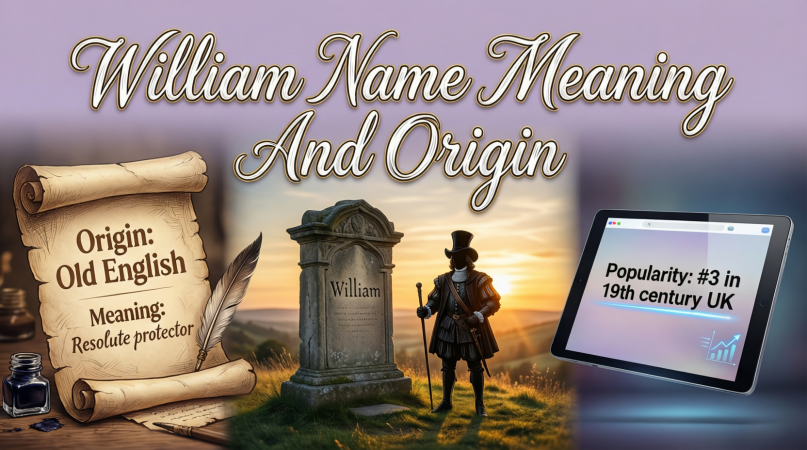
William transformed across cultures while maintaining its core identity. In Spain, it became Guillermo with melodic flair. Italians shaped it into Guglielmo with characteristic elegance. Scandinavians created Vilhelm, honoring their linguistic heritage. Each variation preserved the original protective meaning. The name traveled through Europe like a cherished heirloom.
Modern nicknames add fresh dimensions to William’s legacy. Will sounds sharp and decisive. Liam carries Irish charm and contemporary appeal. Bill and Billy offer friendly, approachable alternatives. These variations serve different personalities and preferences. Yet all connect back to that ancient promise. Protection and determination echo through every form.
Symbolism of Resolute Faith and Protection
Resolute faith means standing firm when storms arise. William symbolizes unwavering belief in divine purpose. Like a lighthouse guiding ships through darkness. The name calls its bearer to spiritual steadfastness. Faith isn’t passive hoping but active trust. It requires courage to believe when circumstances challenge perception.
Protection flows naturally from genuine faith commitment. Those who trust God become shields for others. William embodies this guardian spirit beautifully. Not through violence but through compassionate strength. True protectors serve rather than dominate communities. They create safe spaces where others flourish. This symbolism transcends religious boundaries and cultural differences.
Spiritual Meaning of William in the Bible
William doesn’t appear in biblical texts directly. However, its spiritual essence saturates Scripture’s pages. The Bible celebrates protectors who trust divine guidance. Men like David, Daniel, and Joseph exemplified these traits. Their lives demonstrate what William represents spiritually. Courage paired with humility creates lasting impact.
God’s protection themes resonate throughout biblical narratives. He shields those who walk in faith. William mirrors this divine characteristic in human form. The name encourages believers to become conduits of grace. Protection isn’t about personal power or control. It flows from alignment with heaven’s purposes and love.
William in Biblical Context

Biblical heroes embodied William’s protective determination without bearing the name. Joshua led Israel with unwavering resolve and courage. Nehemiah rebuilt Jerusalem’s walls against overwhelming opposition. These men demonstrate William’s essence through action. Their stories inspire generations to stand firm. Names matter less than the character they represent.
The biblical context emphasizes faithful guardianship over self-interest. Good shepherds protect their flocks sacrificially. William fits this shepherd-leader archetype perfectly. It calls bearers to prioritize others’ welfare. Biblical protection always flows from love, not duty. This transforms guardianship into sacred calling and purpose.
Rrad more:Landon Meaning in Bible: Understanding This Modern Name’s Spiritual Connections
Embodying Strength and Resilience
True strength shows itself during life’s harshest trials. David faced Goliath with nothing but faith. His courage didn’t come from physical might. William carries this same inner fortitude and resolve. Resilience means bouncing back after crushing defeats. It refuses to let circumstances dictate outcomes or attitudes.
Daniel demonstrated resilience in the lion’s den remarkably. His faith never wavered despite mortal danger. William symbolizes this unshakeable spiritual foundation today. Strength isn’t about never falling or struggling. It’s rising repeatedly with renewed determination. Those bearing this name inherit a legacy of perseverance.
William Bible Verses

Psalm 18:2 declares God as fortress and deliverer. This verse captures William’s protective essence beautifully. The Lord shields those who seek refuge. Isaiah 41:10 commands believers to fear nothing. God’s presence eliminates terror and anxiety completely. These promises align with William’s guardian meaning.
Philippians 4:13 reminds us of Christ’s strengthening power. All challenges become conquerable through divine enablement. Psalm 27:1 asks whom we should fear. When God lights our path, darkness flees. These scriptures ground William’s meaning in eternal truth. They transform a name into a declaration of faith.
William in Hebrew Meaning
Hebrew names often reveal divine character and purpose. William lacks direct Hebrew translation or equivalent. Yet its spiritual DNA mirrors Hebrew naming traditions. Gabriel means God is my strength perfectly. This Hebrew name parallels William’s protective significance. Both emphasize divine empowerment over human effort.
Elijah translates to my God is Yahweh powerfully. This name represents unwavering faith under pressure. William shares this guardian-protector essence completely. Hebrew tradition viewed names as prophetic declarations. They shaped identity and destiny from birth. William follows this ancient pattern of meaningful designation.
William Name Meaning in Urdu
Urdu speakers write William as ولیم beautifully. The meaning translates to resolute protector clearly. This bridges Eastern and Western Christian communities. Names transcend language barriers when carrying universal truth. Protection and faith resonate across all cultures. Urdu-speaking Christians embrace William for its spiritual depth.
The name connects diverse believers through shared values. Whether spoken in English or Urdu matters little. William represents timeless principles of courage and guardianship. It unites Christians globally under common ideals. Faith becomes the universal language that transcends words. This multicultural embrace enriches William’s already profound legacy.
Embracing the Characteristics of William
Living up to William means cultivating protective compassion daily. Small acts of kindness shield others from harm. Standing up for the vulnerable demonstrates true strength. Prayer and Scripture study build spiritual fortitude gradually. These disciplines shape character more than circumstances do. William calls its bearers to intentional spiritual growth.
Fellowship strengthens resolve when personal faith wavers temporarily. Surrounding yourself with believers creates accountability and encouragement. Trust in divine guidance transforms ordinary lives extraordinarily. William isn’t just a label but a lifestyle. It challenges bearers to become refuge for others. This transforms individual faith into communal blessing and impact.
Unique Nicknames For William
Willo offers a softer, gentler alternative to William. It carries warmth and approachability naturally. Liamo adds contemporary coolness to traditional roots. This nickname appeals to younger generations especially. Wilzen sounds bold and distinctive, perfect for trendsetters.
Willsy provides cute, endearing familiarity for loved ones. It works wonderfully for children and close friends. Willix adds modern twist while honoring heritage. These variations let personality shine through naming choices. Each nickname maintains connection to William’s core meaning. They prove that tradition adapts beautifully to changing times.
Stories about William in the Bible
David’s story mirrors William’s protective calling perfectly. He defended Israel against Philistine threats courageously. His faith-fueled bravery defeated giants others feared. Nehemiah rebuilt Jerusalem’s walls despite constant opposition. His determination protected an entire community from danger. These biblical figures embody William without bearing the name.
Joseph protected his family during devastating famine years. Betrayed by brothers, he chose forgiveness over revenge. His faithfulness saved nations from starvation and death. True protection flows from hearts aligned with God. These stories illustrate William’s essence through lived experience. They inspire modern Williams to embrace their calling fully.
Names with Similar Biblical Meanings
Gabriel means God is my strength powerfully. This name shares William’s protective, faith-centered essence. Michael asks who is like God rhetorically. It emphasizes divine incomparability and human humility. Ezekiel translates to God will strengthen encouragingly.
Matthias means gift of God beautifully. David simply means beloved with profound simplicity. These names reflect strength, protection, and divine favor. They complement William’s meaning and spiritual significance. Choosing any of these invokes biblical heritage. Each carries weight of faithful tradition and purpose.
Embracing God’s Calling as William

Resolute protector defines William’s divine calling clearly. God summons believers to defend truth and righteousness. Living worthy of this calling requires daily commitment. Integrity must govern every decision and relationship. Protection means creating safe spaces for others spiritually.
Godly leadership flows from humility rather than dominance. Serving others reflects Christ’s example most accurately. Biblical integrity grounds William’s strength in eternal principles. Your name becomes a mission statement for life. Walking in obedience strengthens faith and blesses communities. This transforms William from mere label into sacred identity.
Conclusion
The question is William a biblical name has a nuanced answer worth exploring. William doesn’t appear in Scripture directly. You won’t find it among Moses, David, or Paul. Yet this doesn’t diminish its spiritual power. When people ask is William a biblical name, they seek deeper meaning. The name embodies biblical virtues beautifully. Protection, strength, and faith define its essence. Early Christians adopted William enthusiastically for these reasons. Is William a biblical name in origin. No, it comes from Germanic roots. However, its spiritual significance aligns perfectly with Scripture. The meaning resonates with God’s protective nature.
Choosing William connects your child to timeless values. The name carries weight beyond cultural boundaries. It represents a calling to protect and serve others faithfully. Biblical heroes like David and Nehemiah exemplified these traits. William channels their courage into modern life. Parents seeking meaningful names find William compelling. It bridges ancient wisdom with contemporary relevance. The name inspires strength, resilience, and unwavering faith daily.