
Most Americans knew his face long before they learned his name. Every week, Milburn Stone shuffled across their television screens as the cantankerous, warm-hearted Doc Adams, patching up cowboys, arguing with Marshal Dillon, and quietly stealing every scene he entered. But here’s what most fans never knew: while Doc Adams was saving lives in Dodge City, Milburn Stone was building a financial legacy that would outlast him by decades.
Milburn Stone net worth reached approximately $2 million at his death in 1980, serious money for a character actor of his era. He didn’t get there by luck. Smart salary negotiations, disciplined real estate investments, and compounding Gunsmoke syndication residuals built that fortune brick by brick. This is the full story of how a kid from Burrton, Kansas turned television history into lasting wealth.
Bio/Wiki
| Attribute | Details |
| Full Name | Milburn Stone |
| Date of Birth | July 5, 1904 |
| Birthplace | Burrton, Kansas, USA |
| Date of Death | June 12, 1980 |
| Famous Role | Dr. Galen “Doc” Adams, Gunsmoke |
| Career Span | 1930s – 1975 |
| Emmy Award | 1968, Outstanding Supporting Actor |
| Estimated Net Worth | $2 Million (at death) |
| Primary Income | Gunsmoke salary, residuals, real estate |
| Spouse | Jane Garrison |
Stone wasn’t just another Western TV face. He represented something rarer, an actor who combined artistic integrity with genuine financial intelligence. His Milburn Stone career earnings reflected two decades of consistency, professionalism, and smart decision-making that most Hollywood stars simply never managed.
Who Was Milburn Stone?
The Man America Trusted in Dodge City
Most people don’t become icons playing second fiddle. Stone did exactly that. As Dr. Galen “Doc” Adams on Gunsmoke, he wasn’t the hero riding into gunfights, he was the grumpy, deeply human doctor who picked up the pieces afterward. Audiences trusted him completely. That trust translated into ratings, and ratings translated directly into Milburn Stone’s financial success.
His chemistry with James Arness (Marshal Matt Dillon) created one of television’s greatest partnerships. They weren’t just co-stars, they were a genuine team. Stone’s Doc Adams balanced Arness’s stoic lawman perfectly, giving the show emotional depth that kept viewers returning for 20 straight years. That’s not a small achievement. That’s a masterclass in sustained relevance.
What made Stone genuinely special was his consistency. He wasn’t chasing stardom. He built something better, a reputation so solid that CBS never seriously considered replacing him. In Hollywood, that kind of security is worth more than any single paycheck.
From Kansas Farmland to Hollywood Sets
Burrton, Kansas in 1904 didn’t exactly overflow with opportunity. Stone grew up in a tight-knit, modest community where hard work wasn’t a philosophy, it was survival. Those roots shaped everything about how he approached both his career and his Milburn Stone wealth management later in life.
Before Gunsmoke made him a household name, Stone appeared in over 100 films throughout the 1930s and 1940s. He wasn’t picky. Westerns, dramas, B-movies, he took everything offered and learned something from each role. That relentless hustle built the craft that eventually landed him the role of a lifetime.
Early Life and Education
Growing Up in Burrton, Where the Story Begins
Picture small-town Kansas in the early 1900s. Dusty streets, close-knit neighbors, zero glamour. Stone absorbed all of it, the community values, the work ethic, and crucially, the financial caution that comes from watching families struggle. The Great Depression hit communities like Burrton devastatingly hard. Stone watched neighbors lose everything. That experience never left him.
His early exposure came through local theater productions and drama clubs, no formal training, just raw enthusiasm and relentless practice. He developed stage presence the old-fashioned way: by failing in front of small crowds until he stopped failing. That foundation proved unshakeable decades later when the cameras started rolling.
Those early lessons directly shaped his Milburn Stone financial planning approach. He understood instinctively that income could disappear. So when the big paychecks eventually came, he didn’t celebrate by spending, he invested. That’s a rare instinct in Hollywood, and it defined his entire financial story.
The Education No Classroom Could Provide
Stone never attended a formal acting conservatory. His education came from traveling shows, small theater stages, and grinding through Hollywood’s brutal studio system. Every director he worked with, every difficult scene he navigated, it all compounded into something invaluable: genuine professional experience.
That practical education made him extraordinarily reliable. Directors knew Stone arrived prepared. Producers knew he’d deliver consistently. That reputation became his most powerful career asset, more valuable than any formal credential. It’s why CBS trusted him with 20 years of America’s favorite Western.
Acting Journey and Career Highlights
100 Films Before Anyone Knew His Name
Stone’s path to Western TV star wealth was anything but glamorous. Throughout the 1930s and 1940s, he ground through countless bit parts and supporting roles. Notable appearances include:
- The Big Sky (1952), showcased his versatility in a major production
- The Tin Star (1957), demonstrated his natural fit within the Western genre
- Dozens of B-westerns that built his technical foundation
These weren’t glamorous assignments. But Stone approached every role with identical professionalism. He understood something most ambitious actors miss, that reliability compounds. Each dependable performance built his reputation another inch higher.
Financially, these years were lean. Classic TV actor income didn’t exist yet, television was barely a medium. Stone earned steady work but not wealth. He was laying groundwork, not collecting rewards. The patience that required is genuinely impressive.
How Stone Built a Reputation Worth More Than Fame
Directors whispered Stone’s name approvingly to other directors. That’s how Hollywood actually works. Not through press releases, through quiet professional respect built over years of showing up prepared and delivering results. Stone cultivated that reputation deliberately and protected it fiercely.
By the early 1950s, when CBS began developing Gunsmoke for television, Stone had spent two decades becoming exactly the kind of actor a major network could trust with a flagship series. His Milburn Stone Hollywood career trajectory wasn’t accidental. It was the natural result of consistent excellence compounding over time.
Rise to Fame as “Doc Adams” on Gunsmoke
The Role That Changed Milburn Stone’s Net Worth Forever
Gunsmoke premiered on CBS in 1955 and immediately captured America’s imagination. Stone landed the role of Doc Adams and never looked back. His portrayal was remarkable, equal parts sarcasm, genuine warmth, and frontier authenticity. Viewers didn’t just like Doc Adams. They believed in him completely.
His Gunsmoke actor salary started modestly, as most 1955 television contracts did. But Stone understood leverage. As ratings climbed and Gunsmoke became America’s dominant primetime series, he negotiated progressively better terms. Each contract renewal reflected his growing indispensability to the show’s success.
The Doc Adams role on Gunsmoke also opened doors beyond the weekly paycheck. Personal appearances, endorsements, and increased visibility all contributed to Stone’s expanding income picture. He wasn’t just earning a salary, he was building a brand, even if nobody used that word yet.
Twenty Years, 600 Episodes, The Numbers Tell the Story
Consider the sheer scale for a moment. 600+ episodes over 20 years. That’s not a television run, that’s an institution. And every single episode added to Stone’s cumulative Milburn Stone career earnings in ways that compounded beautifully over time.
Here’s why longevity matters financially for television actors:
- Base salary accumulates across hundreds of episodes
- Syndication residuals kick in when the show enters reruns
- Negotiating leverage grows as the show’s cultural footprint expands
- Marketability increases with recognizability, appearances and endorsements follow
When Gunsmoke entered syndication, Gunsmoke residual income became Stone’s most powerful financial asset. Those payments didn’t require him to do anything. They simply arrived, reliable, passive, and compounding.
Gunsmoke’s Cultural Dominance and Stone’s Growing Payday
At its peak, Gunsmoke regularly topped Nielsen ratings charts. That dominance gave every principal cast member genuine negotiating power. Stone used his wisely. Rather than demanding extravagant one-time paydays, he focused on securing long-term residual rights and steady compensation increases.
His 1971 heart attack temporarily removed him from production, a frightening reminder of mortality. But it also crystallized something important: the financial security he’d built meant he could recover without financial panic. That stability, built through years of smart Hollywood actor investments, proved its value exactly when he needed it most.
Read More: Haiden Deegan Net Worth 2026: The Rising Star of Motocross
Awards, Achievements, and Career Impact
The Emmy That Validated Everything
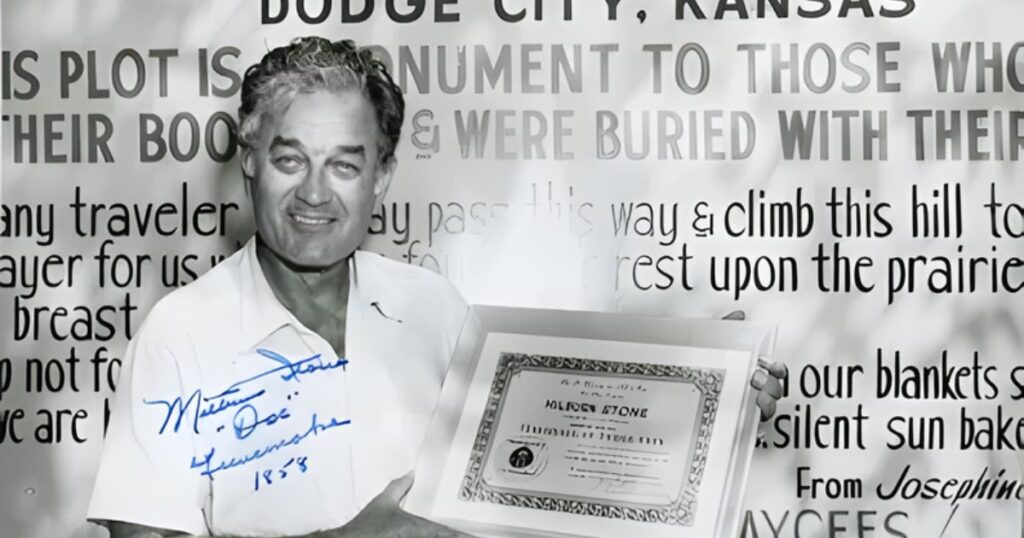
In 1968, Stone won the Emmy Award for Outstanding Performance by an Actor in a Supporting Role. That recognition mattered beyond personal pride. An Emmy elevated his industry standing, strengthened his negotiating position, and confirmed what colleagues already knew, Stone was operating at the highest level of his craft.
Awards carry financial weight in Hollywood. Post-Emmy, Stone’s value to the Gunsmoke franchise became even more explicitly recognized. His Gunsmoke actor earnings reflected that elevated status in subsequent contract negotiations. Recognition and compensation aren’t separate conversations in the entertainment industry, they’re deeply connected.
The Emmy also secured his place in Hollywood golden age actors conversations permanently. Stone wasn’t just a long-running TV performer. He was an award-winning artist whose contributions to American television history were formally acknowledged. That distinction matters for legacy and estate value alike.
Defining the Template for TV’s Medical Characters
Doc Adams didn’t just entertain, he established a blueprint. Stone’s portrayal influenced how television writers and casting directors conceptualized frontier medical professionals for decades afterward. Shows that followed borrowed heavily from the Doc Adams template:
- The gruff exterior hiding genuine compassion
- Medical expertise presented accessibly for general audiences
- The doctor as moral compass within ensemble casts
- Humor used to humanize medical authority figures
That cultural influence represents a different kind of legacy, one that extends far beyond Milburn Stone estate value into television history itself.
Milburn Stone Net Worth and Earnings Overview
Breaking Down the $2 Million Fortune
$2 million in 1980 translates to roughly $7–8 million in today’s dollars when adjusted for inflation. For a character actor, not a leading man, not a movie star, that’s a genuinely impressive accumulation. His Milburn Stone wealth came from multiple streams working simultaneously:
| Income Source | Contribution to Net Worth |
| Gunsmoke base salary (20 years) | Primary earnings foundation |
| Syndication residuals | Passive retirement income |
| California real estate | Equity appreciation + rental income |
| Personal appearances | Supplementary income |
| Endorsements | Additional revenue stream |
No single source made Stone wealthy. The combination did. That’s the real financial lesson his story teaches.
Syndication Residuals, The Income Stream That Kept Giving
TV syndication earnings represent one of entertainment’s most powerful passive income mechanisms. When Gunsmoke entered syndication, Stone began receiving residual payments every time an episode aired in reruns. Multiply that across hundreds of episodes, dozens of markets, and decades of broadcasts, the numbers become substantial.
Gunsmoke reruns income funded Stone’s retirement comfortably. He didn’t need another acting job after 1975. The work he’d completed between 1955 and 1975 kept paying him indefinitely. Even today, his estate collects residuals as Gunsmoke airs on MeTV and streams on digital platforms. That’s genuine actor retirement income, the kind most performers only dream about.
How Milburn Stone Built His Wealth
Real Estate, Stone’s Smartest Financial Move
California real estate during the 1950s through 1970s represented one of history’s great investment opportunities. Stone recognized this early and acted on it. His Milburn Stone real estate investments weren’t flashy trophy properties, they were strategic purchases designed to generate rental income and appreciate steadily.
Those properties delivered on both fronts. Rental income supplemented his Gunsmoke salary throughout his working years. Property appreciation created substantial equity that contributed significantly to his final net worth. Smart, unglamorous, and enormously effective.
Living Below His Means in a Town That Doesn’t
Hollywood specializes in separating successful people from their money. Stone resisted that pressure consistently. His Kansas roots kept him grounded when Beverly Hills temptations surrounded him daily. He understood the difference between looking wealthy and building wealth, a distinction that genuinely escapes many celebrities.
The contrast with peers is striking. Plenty of 1950s and 1960s television stars earned comparable salaries and died with far less to show for it. Extravagant homes, poor investments, and lifestyle inflation erased their earnings. Stone’s discipline preserved his. That’s not exciting financial advice, but it works every single time.
Comparison with Co-Stars Net Worth
Gunsmoke Cast, Where Stone Ranked Financially
| Cast Member | Role | Estimated Net Worth |
| James Arness | Marshal Matt Dillon | ~$8 Million |
| Dennis Weaver | Chester | ~$4 Million |
| Milburn Stone | Doc Adams | ~$2 Million |
| Amanda Blake | Miss Kitty | ~$1.5 Million |
| Ken Curtis | Festus | ~$1 Million |
Figures represent historical estimates based on available data
James Arness commanded higher Gunsmoke cast salaries as the show’s undisputed lead, that’s simply how television economics work. However, Stone’s position among supporting cast members reflects his savvy negotiating and diversified income approach. Amanda Blake’s lower figures reflect the era’s gender-based pay disparities, a genuine injustice that context requires acknowledging honestly.
Personal Life, Family, and Relationships
The Private Man Behind the Public Character
Stone kept his personal life deliberately away from Hollywood’s spotlight. His marriage to Jane Garrison remained stable and private, a genuine rarity in an industry that devours relationships routinely. He structured his family life intentionally separate from his professional world and protected that boundary fiercely throughout his career.
That stability wasn’t accidental, it was a choice Stone made and maintained consistently. The same discipline he applied to financial planning, he applied to personal boundaries. His Milburn Stone family and legacy reflects a man who knew what genuinely mattered and prioritized accordingly.
His on-set relationships were equally genuine. Twenty years alongside James Arness built real brotherhood. The Gunsmoke cast functioned more like family than coworkers, and Stone’s warmth off-camera mirrored Doc Adams’ heart on it completely.
Legacy and Influence in Hollywood
What Milburn Stone’s Financial Story Teaches Us Today
Stone’s celebrity financial legacy offers five concrete lessons every working professional can apply:
- Diversify income streams, salary alone is fragile; residuals and real estate create resilience
- Invest in appreciating assets early, California real estate in 1955 was available to anyone willing to act
- Live below your means, discipline compounds just like interest does
- Build your reputation relentlessly, it becomes your most bankable career asset
- Think in decades, not paychecks, Stone’s best financial decisions paid off 20 years later
Gunsmoke still airs on MeTV. Streaming platforms carry it globally. Every broadcast generates Milburn Stone passive income for his estate, work completed half a century ago, still producing returns today. That’s the definition of a financial legacy worth studying.
The Burrton Kansas actor who traveled from dusty small-town streets to America’s most beloved television set never forgot where he came from. And that perspective, grounded, patient, long-term, made all the difference.
Frequently Asked Questions
What was Milburn Stone’s net worth at death?
Approximately $2 million in 1980, equivalent to roughly $7–8 million today when adjusted for inflation.
Did Stone receive Gunsmoke residuals after retirement?
Yes. Syndication residuals provided substantial passive income throughout his retirement and continue benefiting his estate today.
Who earned the most among Gunsmoke’s cast?
James Arness, as the show’s lead, accumulated the highest net worth, estimated around $8 million.
How many Gunsmoke episodes did Stone appear in?
Stone appeared in over 600 episodes across 20 seasons from 1955 to 1975.
Conclusion
Milburn Stone’s story isn’t just about television history — it’s about building something that genuinely lasts. He turned 20 years of playing Doc Adams into a financial legacy that still generates returns today. Smart real estate, disciplined spending, and compounding syndication residuals did what raw talent alone never could. Stone proved that character actors could build lasting wealth without ever playing the leading man. His Kansas roots kept him grounded when Hollywood’s temptations surrounded him daily.
The lesson here is refreshingly simple. Talent gets you in the room but wisdom keeps you comfortable long after the cameras stop rolling. Stone didn’t chase fame — he built security, quietly and deliberately, one smart decision at a time. Decades later, Gunsmoke still airs, his estate still earns, and his financial legacy remains very much alive. Doc Adams would absolutely approve.